
Last updated:
Quick Answer: To import rice from Thailand, identify your required variety (e.g. Hom Mali jasmine), confirm import regulations in your country, request a proforma invoice with FOB or CIF terms, arrange payment, and coordinate phytosanitary certificates and shipping documentation with your supplier.
What rice varieties does Thailand export?
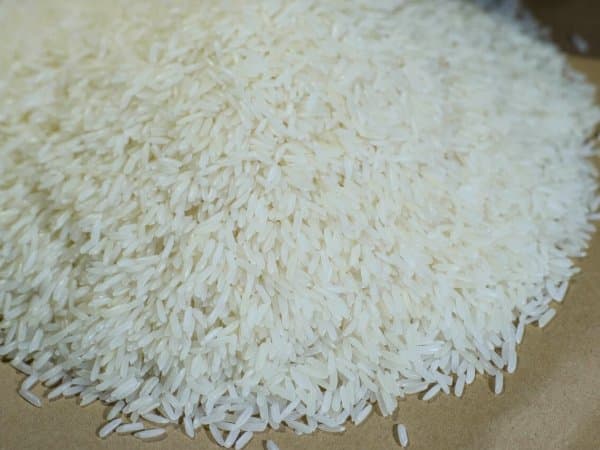
Thailand exports fragrant Hom Mali (jasmine) rice, white rice, parboiled rice, sticky rice, and specialty grades. Hom Mali is prized for aroma and is among the most sought-after varieties in Middle Eastern, Asian, and Western markets. According to the FAO, Thailand consistently ranks among the world's top rice exporters.
What documents are required for rice import?
- Commercial invoice and packing list
- Bill of lading
- Certificate of origin
- Phytosanitary certificate (plant health)
- Quality inspection certificate (upon request)
- Fumigation certificate (if required by destination)
Coordinate ocean export documentation from Thailand so the bill of lading matches the phytosanitary and origin papers above.
What are the steps to place a bulk rice order?
Follow our standard bulk commodity ordering process: submit an inquiry with variety, quantity, and destination port; receive a quotation; confirm with proforma invoice; complete payment; production and QC; shipping and delivery. An agricultural commodities exporter Thailand handles export coordination from Udon Thani and Lampang, Thailand.
How does MAHANAKORN ensure rice quality?
Every shipment undergoes agricultural export quality control including physical grading, moisture testing, and packaging verification. Third-party lab testing is available on request. Browse our Thai jasmine rice bulk supplier catalogue, including Hom Mali jasmine rice export.